These People Again: Why the Best Ensembles Make the Plot Irrelevant
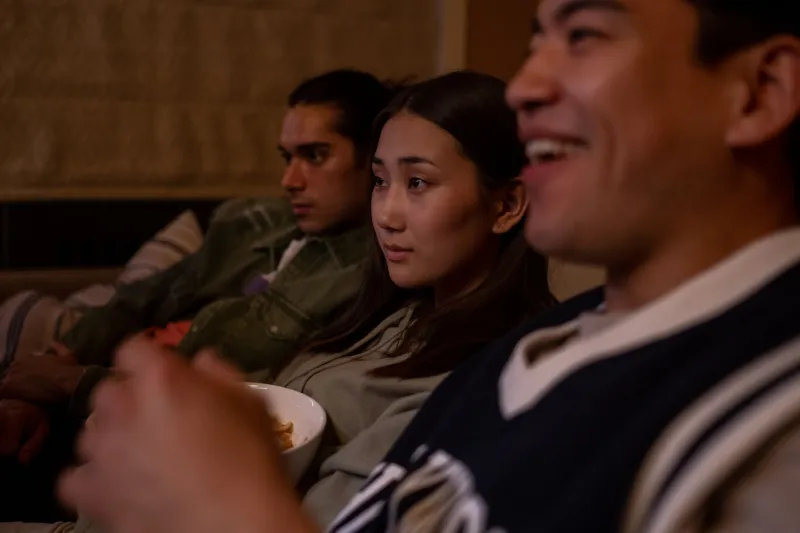
Here's a test. Think about the last time you rewatched The Office. Now ask yourself: were you doing it to find out what happens? Were you genuinely curious whether Jim and Pam were going to work things out, or whether Michael was going to embarrass himself at the Dundies again?
Of course not. You already know. You've always known. You put it on because you wanted to be in that break room again. You wanted Dwight's deadpan intensity and Kevin's gentle obliviousness and the particular way the whole group orbits each other like they've been doing it forever. The plot was never really the point.
That's what a comfort cast does. And it's one of the most underrated achievements in television.
The Difference Between a Story You Follow and a World You Return To
There's a meaningful distinction between shows that make you want to know what happens next and shows that make you want to go back to where you were. Both are valid. Both can be great. But they ask completely different things from you as a viewer.
A plot-driven show is a forward-moving machine. You're engaged because momentum keeps pulling you along — revelations, consequences, escalating stakes. The moment you know how it ends, a significant portion of the experience is technically over.
An ensemble-driven show works differently. The destination was never the attraction. What kept you there was the texture of the relationships, the running jokes that evolved slowly over seasons, the specific way certain characters bring out something unexpected in each other. When you go back, you're not chasing resolution. You're chasing atmosphere.
Parks and Recreation is maybe the clearest example of this. Objectively, the show's plots are fine. Pawnee has a problem, Leslie has a plan, things get complicated, things get resolved. That's the chassis. But nobody's rewatching it for the chassis. They're rewatching it for Ben's awkward sincerity, for April's slow thaw, for the Ron Swanson moments that hit differently depending on what you're going through in your own life. The story is the vehicle. The people are the destination.
Chemistry Isn't Manufactured — It's Discovered
What makes a comfort cast work isn't casting alone, though that matters enormously. It's what happens when a specific group of people finds a rhythm together over time — the unscripted timing, the looks exchanged in the background, the way the energy in a scene shifts when two particular characters share the frame.
Writers can build toward it, but they can't fully plan it. The best ensemble shows tend to discover their own chemistry in real time, then lean into it hard. Schitt's Creek is a textbook case. The first season is good. By season three, it's become something else entirely — a show that seems to understand exactly what it has and refuses to waste a single scene of it. The Rose family's dynamic, the way Moira's theatrical absurdity and David's dramatic fragility and Alexis's surprising warmth all fit together, became the actual product. The plot about rebuilding their lives was just the context.
When you rewatch Schitt's Creek, you're not revisiting a story. You're visiting people. There's a difference, and viewers feel it even if they can't always articulate it.
Why Familiarity Becomes the Feature
There's a reason comfort viewing is such a persistent habit for so many people, and ensemble shows are at the center of it. When you already know a cast inside and out — their quirks, their histories, the specific beats of how they interact — the watching experience becomes less about discovery and more about recognition. And recognition, it turns out, is deeply satisfying.
It's not passive, exactly. You're still engaged. But the engagement is warm rather than tense. You're not bracing for surprises; you're settling in. The familiarity isn't a limitation — it's the whole appeal.
This is also why ensemble shows tend to be the ones people put on in the background while doing other things, then gradually get pulled back into fully. The entry point is low because you already belong there. The cast doesn't need to re-earn your attention. You already trust them.
What the Streaming Era Got Right (and What It Missed)
Streaming has been a complicated force for ensemble television. On one hand, bingeing made it easier than ever to fall deep into a group dynamic quickly — you could spend a whole weekend with the Brooklyn Nine-Nine precinct and emerge feeling like you genuinely knew these people. The format accelerated intimacy.
On the other hand, the pressure to deliver plot — to justify renewal, to give subscribers a reason to stay subscribed — has pushed a lot of shows toward constant narrative escalation at the expense of the quieter, character-driven moments that actually build ensemble identity. Not every show needs a season-ending twist. Sometimes the best thing a show can do is let its cast just exist together for a while and trust that that's enough.
The shows that figured this out — Abbott Elementary being a recent example worth mentioning — tend to feel like throwbacks in the best way. They're not embarrassed to let a scene breathe. They're not rushing to the next plot point. They understand that the audience isn't just watching what happens; they're watching who it happens to, and more importantly, how those people handle it together.
The Cast Is the Story
There's something almost radical about a show that looks you in the eye and says: we're not going to hook you with a mystery. We're not going to end every episode on a cliffhanger. We're going to give you people worth spending time with, and we're going to trust that's enough.
The ones that pull it off create something most plot-heavy shows can't touch — genuine longevity. Not the kind that depends on a story continuing, but the kind that survives knowing the ending completely. You can watch The Office finale for the tenth time and still feel it, not because you forgot what happens, but because you care about the people it's happening to.
That's the comfort cast in its purest form. Not a narrative device. Not a marketing hook. A group of characters so well-realized, so specifically themselves in relation to each other, that their company becomes its own reward — season after season, rewatch after rewatch, background noise that keeps pulling you back in.
The plot ends. The people stick around.