Nobody's Watching Together Anymore — and TV Might Be Better for It

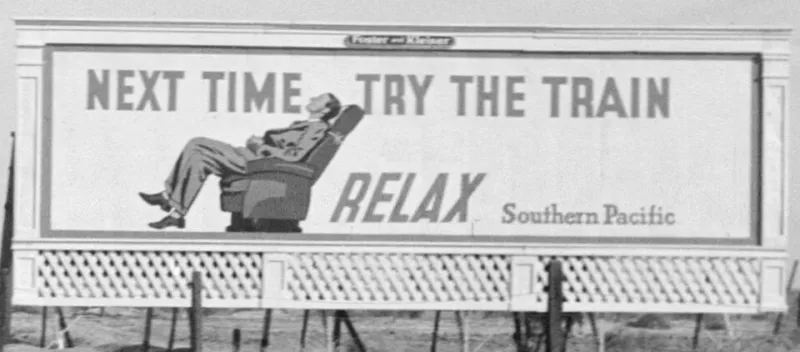
Photo: National Marine Sanctuaries, Public domain, via Wikimedia Commons
Remember when you absolutely could not be on the internet on a Sunday night if you hadn't watched The Walking Dead yet? Or when the entire country was apparently watching Lost on the same Wednesday and losing their minds together in real time? There was something genuinely electric about that. A show becoming a shared event — not just content, but a moment everyone arrived at simultaneously.
That experience is mostly gone now. And the more interesting question isn't whether we should mourn it, but what actually replaced it.
The Water Cooler Was Always a Little Overrated
Let's start with some honesty about what the so-called water cooler moment actually was. The phrase conjures this image of a nation unified by television — coworkers gathering, strangers sharing reactions, culture moving in lockstep. And sure, that happened. But it also came with a pretty significant asterisk.
The water cooler moment required you to have watched the same thing, at the same time, on the same schedule as everyone else. Miss an episode of 24 and you were suddenly socially quarantined from an entire conversation. Prefer The Wire to American Idol? Congratulations, you had great taste and no one to talk to about it at the office. The synchronized viewing era was genuinely communal, but only for the people watching the same shows — and the shows that got that treatment tended to be the biggest, broadest, most accessible ones, not necessarily the most interesting.
Streaming didn't kill the water cooler. It just revealed how selective it always was.
What Actually Got Lost
That said, something real did disappear, and it's worth naming precisely.
The thing streaming genuinely eroded is shared surprise. When a show drops all at once, the cultural conversation around it compresses into a frantic few days and then disperses. People who binge immediately are already three episodes ahead of people who watch one a night. Within a week, the spoiler window is effectively closed and the conversation moves on. There's no sustained, episodic build — no seven days of theorizing between reveals, no collective dread about a season finale that everyone reaches at the same time.
Think about Game of Thrones in its weekly release years versus the final season. The weekly episodes, whatever their quality, generated a week's worth of anticipation and analysis per hour of television. The discourse was part of the experience. By the time the show ended, even the disappointment felt communal.
Appointment television, at its best, made watching feel like participating. That's a real loss.
The Unexpected Upside: Depth Over Width
Here's what the trade-off bought us, though.
When viewing becomes asynchronous and personalized, something shifts in how people engage with the shows they love. Without the pressure of synchronized consumption, viewers rewatch. They go deep. They build communities around specific shows rather than around the shared experience of watching television generically.
The niche fandom ecosystems that have developed around streaming-era shows are genuinely remarkable. The Succession subreddit was producing close textual analysis that would embarrass some academic film criticism. The Bear generated serious culinary discourse. Severance launched more amateur theories per episode than almost any network show of the appointment TV era could have sustained. These aren't passive audiences — they're engaged, invested communities that formed precisely because the content was good enough and accessible enough to sustain deep attention.
Streaming didn't reduce engagement. It just relocated it from the water cooler to the Discord server.
What Storytelling Gained From the Shift
This is where it gets genuinely interesting from a craft perspective.
The weekly release model imposed certain structural requirements on television writing. Cliffhangers weren't just a stylistic choice — they were a functional necessity for retaining an audience that might drift away if an episode didn't end with enough urgency. Recaps, repetition, and narrative redundancy were built into shows partly because viewers might have forgotten details from the previous week. Pacing had to account for the interruption.
Streaming's binge model changed those parameters. Writers could assume continuity of attention — that a viewer finishing one episode would immediately start the next. That opened up new structural possibilities: slower burns, more patient character development, longer arcs that didn't need to justify themselves episode by episode. Shows like Ozark, Mindhunter, and Beef are paced in ways that would have struggled in a traditional weekly release format. The form followed the function.
At the same time, some platforms have started experimenting with weekly drops for prestige content — HBO has largely stuck to this model, and it's not an accident that HBO shows tend to generate the most sustained cultural conversation of any streaming content. The discourse around The Last of Us and House of the Dragon had something closer to the old appointment TV energy because the release cadence demanded it.
The Fragmentation Problem Is Real
None of this is to say the streaming era has been an unqualified win for television as a shared cultural experience.
The sheer volume of content across a dozen competing platforms has made it genuinely difficult to have broad cultural conversations about television anymore. The last truly universal TV moment in recent memory — the kind where it felt like the whole country was watching — might have been the finale of Game of Thrones, and that was in 2019. Since then, the landscape has fractured into a thousand micro-conversations happening in parallel, rarely intersecting.
That fragmentation has real costs. It's harder for a show to become a cultural touchstone when it's competing with an essentially infinite content library for attention. The shows that break through tend to be either extraordinarily good or extraordinarily loud — and those aren't always the same thing.
Different, Not Worse (Mostly)
The honest answer to whether streaming made storytelling better is: it made it different, and different in ways that cut both directions.
We lost the synchronized cultural moment, the shared countdown to a season finale, the genuine electricity of a nation watching the same thing at the same time and reacting together. Those were real, and they're mostly gone.
What we got instead is a television landscape capable of more patience, more depth, more structural ambition — and audiences willing to meet it there. The water cooler is quiet. But the conversation, in its own fragmented, asynchronous, Discord-and-subreddit way, is still happening. It just sounds different now.