Streaming Services Are Charging You Full Price for Your Childhood
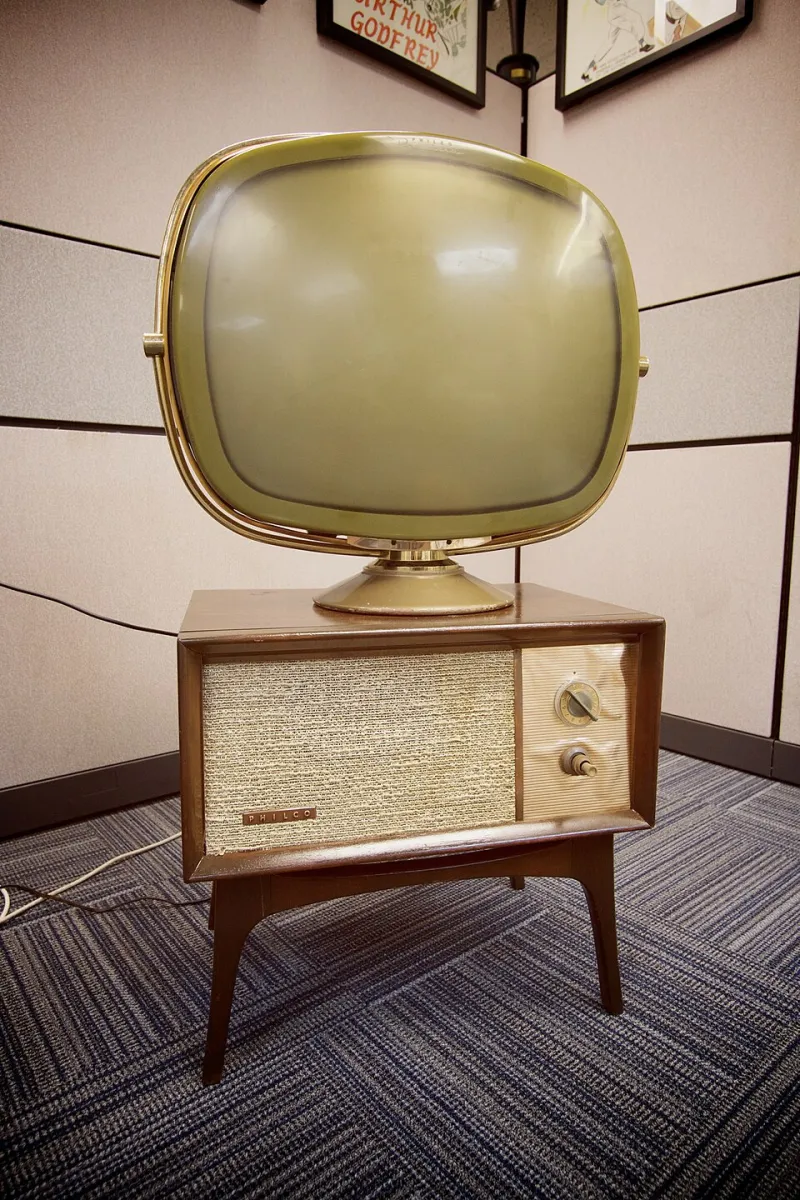
Photo: Unknown authorUnknown author, Public domain, via Wikimedia Commons
Somewhere between your third rewatch of The Office and your fourth run through Schitt's Creek, the streaming industry had a quiet revelation. You weren't watching because you had nothing else to do. You were watching because you needed to. And need, as any economist will tell you, is a far more reliable revenue stream than curiosity.
Welcome to the comfort rewatch economy — a multi-billion dollar machine built on the very human tendency to return to familiar stories when the unfamiliar world gets to be too much.
The Business of Familiar Feelings
Here's the pitch that no streaming executive will say out loud but every quarterly report implies: why spend $200 million developing original content that might flop when you can license a beloved catalog title and watch subscribers stay put?
Netflix learned this the hard way when Friends and The Office left their platform. The subscriber dips were measurable and embarrassing. People didn't just miss those shows — they cancelled subscriptions over them. That's not a casual viewing preference. That's attachment. That's dependency. And dependency, in the streaming world, is the closest thing to a guaranteed revenue model.
Peacock built much of its early subscriber case around The Office exclusivity. HBO Max leaned heavily on Friends. Disney+ understood immediately that decades of Marvel and Star Wars content meant families would pay monthly just to have access — even if they never watched a new episode of anything. The catalog is the product.
The math is brutal in its simplicity. Licensing an existing title costs a fraction of what it takes to develop, produce, market, and distribute an original series. And the audience for that existing title? Already built. Already emotionally invested. Already conditioned to return.
Why We Keep Going Back
Let's be honest about what's actually happening when you fire up Gilmore Girls for the sixth time or start Breaking Bad from the pilot again. It's not laziness. It's not a lack of imagination. It's something a lot closer to self-regulation.
Psychologists have a term for it — narrative transportation — the experience of being absorbed into a story world so completely that your stress responses quiet down. The catch is that this effect is significantly stronger when you already know the story. There's no anxiety about what happens next. No fear that the show will let you down. The ending is safe. The characters survive (or don't) in ways you've already processed. It's entertainment with the uncertainty stripped out, and in a period of collective anxiety, that's an extraordinarily appealing proposition.
Streaming platforms didn't create this impulse. But they've gotten very good at monetizing it.
The Reboot Industrial Complex
The comfort rewatch economy doesn't stop at catalog licensing. It has a production arm, and it's been running at full capacity.
The past several years have delivered reboots, revivals, legacy sequels, and spin-offs at a pace that would have seemed absurd a decade ago. Frasier came back. Dexter came back. Sex and the City came back (twice, if you count the pivot). iCarly came back on Paramount+. Saved by the Bell came back. Beavis and Butt-Head came back. The list reads less like a programming schedule and more like a desperate attempt to reconstruct a cultural safety net.
Studios greenlight these projects not because audiences have been clamoring for more Frasier content specifically, but because the name recognition dramatically reduces the risk of audience indifference. A new show has to earn your attention from scratch. A reboot starts with a head start — you already have feelings about it before you watch a single frame.
That's not a creative strategy. That's a marketing strategy wearing a creative strategy's clothes.
What Gets Left Behind
Here's the part that should make anyone who loves television a little uncomfortable: the comfort rewatch economy has a shadow side, and it falls on original storytelling.
When platforms prioritize catalog content and IP-driven reboots, the resources available for genuinely new voices and unproven concepts shrink. The streaming boom of the mid-2010s — the era that gave us Fleabag, Atlanta, The Americans, Halt and Catch Fire — was funded by a growth model that no longer exists. Platforms were spending aggressively to build subscriber bases, and experimental content was part of that bet.
Now the model has shifted. Subscriber growth has plateaued. Investors want profitability, not creative prestige. And the quickest path to a reliable return is content that people already love.
The result is a landscape where genuinely original series get shorter episode orders, smaller budgets, and less promotional support — while a reboot of something from 1998 gets a full press rollout and a dedicated content slot. The incentive structure isn't set up to reward discovery. It's set up to reward familiarity.
The Viewer Is Not Entirely Innocent Here
It would be easy to frame all of this as something the industry is doing to audiences, but that's not quite right. The platforms are responding to real behavior. The data on rewatch habits is genuinely staggering — Netflix has reported that a significant portion of viewing hours come from titles subscribers have already seen. Hulu's most-rewatched content skews heavily toward catalog comedies. The numbers don't lie.
We are, collectively, choosing the known over the unknown at a rate that has real consequences for what gets made. Every time you boot up a comfort rewatch instead of taking a chance on something new, you're casting a vote — and the algorithm is counting.
That's not a moral failing. It's a very understandable human response to a world that often feels like too much. But it's worth being aware of, because the entertainment we consume shapes what gets produced, and what gets produced shapes the culture.
The Uncomfortable Question
So what does it mean that we've turned entertainment into a security blanket? That we're paying $15 a month, $18 a month, sometimes $22 a month, to have access to stories we already know?
Maybe it means we're tired. Maybe it means the past feels safer than the present. Maybe it means the industry has gotten so good at manufacturing comfort that we've forgotten what it felt like to be genuinely surprised by a story.
Or maybe — and this is the most honest read — it means that great storytelling creates attachments that last decades, and the platforms smart enough to hold onto those stories will always have a seat at the table.
The comfort rewatch economy isn't going anywhere. The question is whether there's still room in it for the shows that haven't been made yet.