Skip Intro: The Quiet Death of the Opening Sequence and What We Lost With It
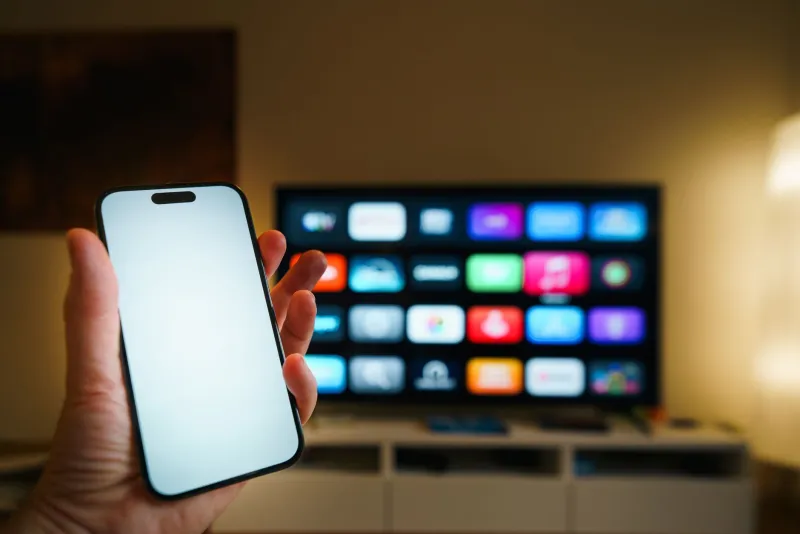
Netflix put a button on your screen, and you clicked it without thinking. Most of us still do. It's right there, bottom right corner, appearing within seconds of an episode starting: Skip Intro. A small, polite suggestion that you don't have to sit through the opening. That the real show is waiting just thirty seconds ahead.
And we skip. Every time. Almost reflexively.
But here's the thing nobody's really stopped to ask: what are we actually skipping?
The Opening Sequence Was Never Just Wallpaper
It's easy to dismiss title sequences as legacy infrastructure — something that made sense when television had commercial breaks and needed a way to re-orient viewers who'd stepped away. But that reading underestimates what a great opening actually did.
Think about the Mad Men intro. That slow, stylized fall through a mid-century office tower, the silhouette tumbling past advertisements for products that defined an era. It ran for about a minute and a half, and it told you everything about the show's themes before a single scene played. Ambition. Surface beauty masking a long descent. The constructed nature of identity. You watched that opening and you were already in the right emotional register to receive what followed.
Or The Sopranos. Tony driving from New York into New Jersey, the industrial landscape giving way to suburbs, Frank Vincent's "Woke Up This Morning" building underneath. It wasn't just mood-setting — it was an argument. This is where the show lives. Between the city and the cul-de-sac. Between violence and family dinners. Every single episode, that sequence reminded you of the show's central tension before the episode itself had to say a word about it.
These weren't accidents. They were designed, deliberate, and expensive — and they earned their runtime.
What the Button Actually Did to Us
The Skip Intro feature launched in 2017, and its logic was user-friendly to the point of being almost impossible to argue with. Why make someone sit through the same minute of credits every episode if they've already seen it? Get them to the story faster. Reduce friction. Keep them watching.
All of that is reasonable from a platform perspective. It's less reasonable from a storytelling one.
Opening sequences didn't just brand a show — they functioned as a psychological threshold. A transition ritual. In a world where you've been scrolling your phone for the last hour, the opening credits were the show's way of saying: okay, put that down. We're starting now. Come with me.
That transition matters more than we gave it credit for. Research on attention and cognitive priming suggests that brief, consistent preparatory rituals help people shift mental states — which is exactly what a well-designed title sequence was doing. It was priming you to pay attention, to feel a certain way, to arrive in the emotional space the story needed you to occupy.
When you skip it, you're jumping straight from whatever you were doing into the middle of a narrative without that buffer. You're technically watching the show, but you might be half a beat behind it.
The New Normal: Shows That Don't Even Bother
The Skip Intro button was phase one. Phase two is that newer streaming originals have largely stopped producing meaningful opening sequences at all.
Scroll through your Netflix or Max queue and notice how many shows now open with nothing more than a title card — maybe five seconds of music, a logo, and then straight into the episode. Some shows have eliminated the concept entirely, starting cold and stamping the title somewhere in the first scene like a watermark.
This isn't laziness, necessarily. It's optimization. Streaming platforms track engagement data obsessively, and if viewers are skipping intros, the calculus becomes: why spend the budget on something people are trained to bypass? The skip behavior created a feedback loop that incentivized its own acceleration.
The result is a generation of shows that have no visual or sonic identity outside of the episodes themselves. No theme song you'd recognize in a grocery store. No opening imagery that signals to your brain: this is the one about the grief, or the ambition, or the dark comedy about suburban dysfunction.
That's a real loss — not just for nostalgia's sake, but for the craft of television as a medium.
The Communal Dimension Nobody Misses Because They Forgot It Existed
Here's the thing about opening credits that's hardest to quantify: they used to be shared.
When everyone watched a show on the same night at the same time, the opening sequence was a collective experience. You hummed the Friends theme in the office the next morning because everyone had heard it the night before. The Game of Thrones map sequence was something millions of people watched in real time, together, every week — and that shared ritual created a sense of communal anticipation before a single scene had played.
Streaming fragmented the viewing schedule, and the skip button fragmented the experience further. Even if two people are watching the same show, they might be at different episodes, having skipped different amounts, arriving at the story through entirely different on-ramps.
The opening sequence was one of the last truly shared moments in a viewing experience. And we traded it for thirty extra seconds of plot.
The Holdouts and What They're Proving
Not everyone has given up on the form. The Bear has a chaotic, almost assaultive cold open that functions as its own kind of sequence. Severance uses its intro to reinforce its themes of bifurcated identity in ways that make each episode's opening feel essential rather than optional. White Lotus brings back a full, lush title sequence that sets the show's tone with such precision that skipping it would feel like arriving at a dinner party after the host's welcome speech.
These shows are proving that the opening sequence isn't dead because it stopped working. It's fading because the infrastructure stopped supporting it — and because we trained ourselves to skip before we thought about what we were losing.
Maybe the fix is simple: next time the button appears, just let it play. Give the show its thirty seconds. See if you arrive at the first scene feeling any different.
Chances are, you will.