Stuck on Replay: How Rewatching the Same Shows Is Quietly Killing Your Appetite for Anything New
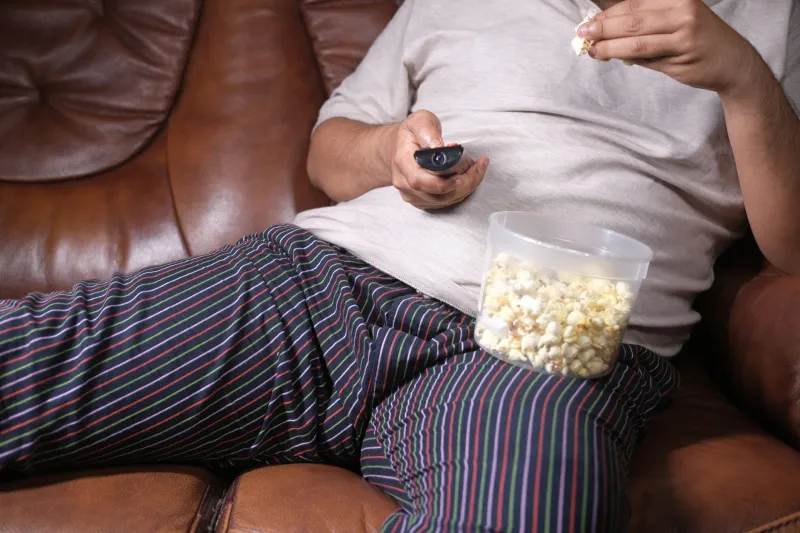
Somewhere around your fourth run through The Office, something shifted. It stopped being a rewatch and started being wallpaper. You're not really watching anymore — you're just letting it exist in the room with you, a familiar hum, a cast of people you already know saying things you've already heard. And honestly? That's fine. Except when it isn't.
The streaming era didn't invent the comfort rewatch. People have been rewinding VHS tapes and catching syndicated reruns for decades. But what Netflix and its competitors did was remove every possible obstacle between you and the thing you already love. No waiting for the right night. No hunting through cable listings. Just: there it is. Always. Waiting.
The result is a viewing culture that's quietly split in two — people who use streaming to discover, and people who use it to return. And more of us fall into the second category than we'd like to admit.
Why Your Brain Loves the Rerun More Than You Think
There's a real psychological pull behind the comfort rewatch, and it's not laziness. When you already know a show, you've essentially pre-loaded all the cognitive work. You know the characters, the rhythms, the jokes, the emotional beats. Watching it again isn't passive — it's low-stakes engagement, and your brain finds that genuinely soothing, especially when the rest of life is noisy and unpredictable.
Researchers have pointed to this as a form of emotional regulation. Familiar media functions almost like a social experience — spending time with characters you already trust, in a world you've already mapped out. It's the television equivalent of going to the same restaurant and ordering the same thing because you know exactly how good it's going to taste.
The problem isn't that this feels good. The problem is what it costs you on the other side.
The Discovery Tax
Here's the thing nobody really talks about: every hour you spend on a rewatch is an hour you didn't spend on something you've never seen. That sounds obvious, almost embarrassingly so, but the math adds up fast.
Platforms are producing more original content than ever. The complaint that there's "nothing to watch" has become a kind of cultural joke, because the reality is that there's too much to watch and the selection anxiety it creates often pushes people straight back to the familiar. Why risk two hours on something that might not land when you could spend two hours with people you already love?
But that risk-aversion has a creative cost that extends beyond your personal queue. When audiences consistently retreat to catalog titles instead of engaging with new work, the industry notices. Streaming services track what gets watched, and what gets watched determines what gets made. A platform that sees its users looping Friends reruns indefinitely isn't going to greenlight a dozen risky original dramas. It's going to license more Friends.
The rewatch habit, at scale, quietly signals to the industry that safety is what audiences actually want — even when those same audiences are publicly complaining that everything feels derivative and unoriginal.
The Shows That Never Got a Fair Shot
Think about how many series launched quietly in the last five years, earned genuinely strong reviews, and then disappeared without most people ever hearing about them. Not because they were bad — but because the algorithm served them to an audience that was already busy rewatching something else, and the window for discovery slammed shut before word of mouth could build.
Streaming platforms don't give shows a lot of runway. A series that doesn't catch in the first few weeks often gets quietly buried, which means the window for first-time viewers is narrower than it's ever been. If your queue is clogged with comfort rewatches, you're not even in the room when those shows need you most.
This is where the rewatch habit becomes something more than a personal quirk. It becomes a vote, cast passively, for a version of the industry that keeps shrinking the space for new voices and unfamiliar stories.
It's Not About Guilt, It's About Ratio
None of this is an argument that rewatching is bad or that you should feel terrible about your Schitt's Creek rotation. Comfort is legitimate. The joy of returning to something you love is real and worth protecting.
But there's a difference between rewatching intentionally — choosing to revisit something because it genuinely gives you something — and rewatching by default, because starting something new requires a kind of effort you can't always summon. One is a choice. The other is a habit that's made itself invisible.
The fix isn't dramatic. It's just ratio. For every familiar show you cycle back through, maybe there's a new one that gets a genuine shot — not a distracted half-watch while you scroll your phone, but an actual committed viewing, the kind of attention that lets something new earn its place in your rotation.
Because here's the thing: every show you love unconditionally was, at some point, something you'd never seen before. You took a chance on it. It paid off. The rewatch you keep returning to was once the unknown quantity you almost skipped.
Somewhere out there, that show exists again. You just haven't watched it yet.